
THE CARE JOURNAL · TRAVEL & VALUE
With the rupiah near its weakest-ever level against the US dollar, a familiar burger offers a simple way to compare everyday spending across Southeast Asia.
19 October 2026 · 5 minute read
Thailand, Vietnam, Malaysia or Indonesia? When planning a Southeast Asian holiday, the shortlist often includes several tempting destinations. Each has its own appeal. What your money can buy once you arrive is part of the decision, too.
Indonesia has a timely reason to enter that conversation. The rupiah reached a record low against the US dollar this year and remains close to that level, bringing the country’s local spending power into sharper focus.
A currency near its record low
Reuters reported on 19 October that the rupiah was trading not far from its all-time low of Rp18,190 per US dollar, reached in June.1
Bank Indonesia’s JISDOR reference rate on 19 October was Rp18,050 per US dollar. At that benchmark, US$100 is equivalent to approximately Rp1,805,000, before exchange margins or fees.2
For a visitor, the useful question is what those rupiah can buy. A familiar product makes the comparison easier.
One burger. Six different prices.
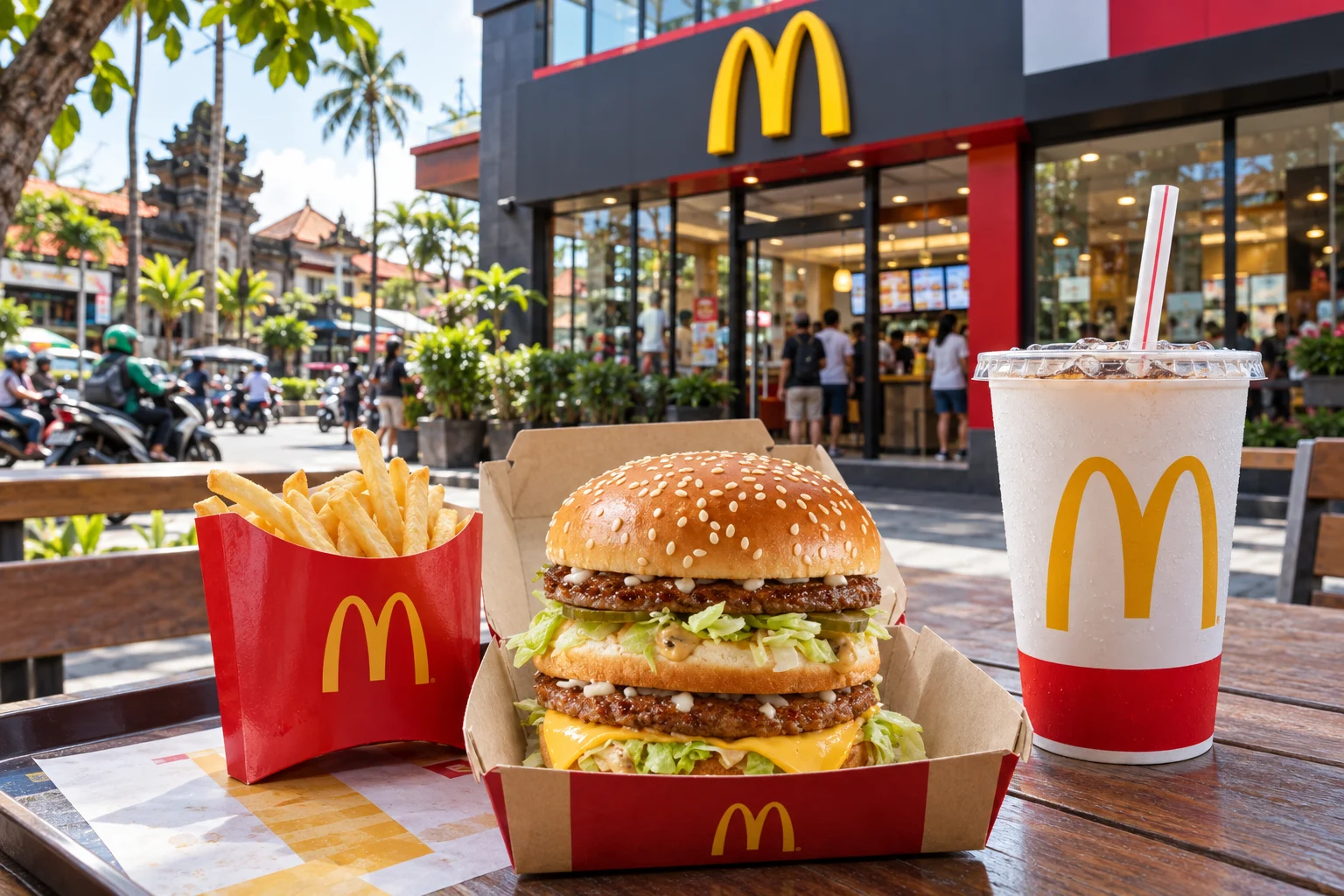
In The Economist’s July 2026 Big Mac Index, a Big Mac in Indonesia cost approximately US$2.38—the lowest price among the six Southeast Asian markets compared below.3
| Country | Local price | US dollars |
|---|---|---|
| Indonesia | Rp43,000 | $2.38 |
| Philippines | ₱169 | $2.74 |
| Vietnam | ₫76,000 | $2.89 |
| Malaysia | RM14.55 | $3.57 |
| Thailand | ฿135 | $4.02 |
| Singapore | S$7.45 | $5.77 |
Source: The Economist, July 2026 Big Mac Index. Local prices and US-dollar conversions are from that edition, not October exchange rates. Individual outlet prices may differ.
A Big Mac in Indonesia was approximately41% less than in Thailandand around 33% less than in Malaysia and 18% less than in Vietnam, based on the same July survey.
The price of one Big Mac in Thailand was equivalent to roughly 1.7 in Indonesia. It is a small comparison, but an immediately recognisable one.
A burger cannot stand in for the cost of an entire holiday. It does, however, offer a common reference point across countries with different currencies and price tags.
More room in the same budget
A favourable exchange rate becomes meaningful when you come to pay. If local prices stay the same, more rupiah for your foreign currency means less of your budget is needed for the same purchase.
That difference could go towards a restaurant you have been looking forward to, a locally made piece you would like to take home, or an experience you had almost left out. You can also simply keep the saving.
Indonesia’s tourism authorities have recognised the opportunity. At the Bali & Beyond Travel Fair in May, Deputy Tourism Minister Ni Luh Puspa said the weaker rupiah could make Indonesia more attractive to international visitors and encourage longer stays, according to ANTARA.4
A reason to put Indonesia on your shortlist
Exchange rates are only part of the picture. Local wages, rents, taxes and each brand’s pricing decisions also help explain why the same burger costs different amounts. The Big Mac comparison should not be read as a promise that every purchase will be cheaper by the same percentage.
Travellers paying in Australian dollars, euros or Korean won should check their own currency against the rupiah: a record against the US dollar does not mean an identical advantage for everyone.
Even with that distinction, the combination is worth noticing: a rupiah close to its record low against the dollar, alongside a familiar everyday purchase that costs less than in several neighbouring markets.
If Southeast Asia is on your travel list, Indonesia deserves a closer look. The same budget may leave a little more room to eat well, explore and enjoy your time.